Beyond Stuffing: The Secret to Moist, Flavorful Cornbread Dressing
At the very heart of a true Southern holiday table isn't just a meal; it's a memory, a tradition, a warm embrace of flavors that speak of generations past and celebrations present. Among these cherished dishes, none holds a place quite as central and beloved as
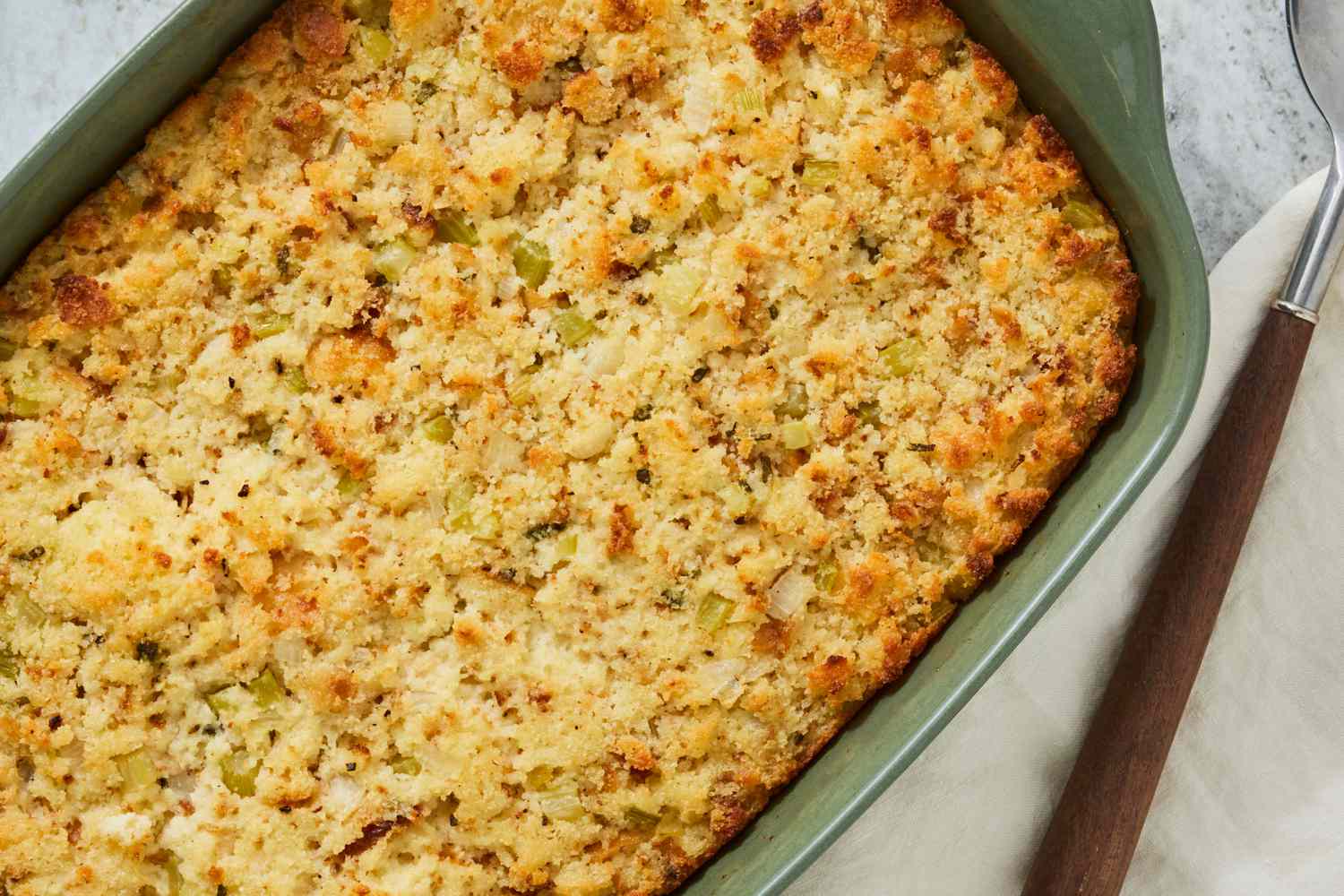
southern cornbread dressing. Often mistakenly lumped in with "stuffing," this culinary icon stands proudly on its own, offering a distinct experience that delivers unparalleled moisture, depth of flavor, and comforting texture. Forget dry, crumbly sides; we're talking about a tender, custardy interior crowned with a beautifully crisp, golden-brown top.
This article delves into the nuances that elevate
southern cornbread dressing from a simple side to the star of any festive spread, whether it’s Thanksgiving, Christmas, or a cherished Sunday family dinner. We’ll uncover the secrets behind its iconic taste, explore the essential ingredients, and provide insights to help you craft a dressing that embodies the authentic spirit of the South.
The Heart of the Southern Table: What Makes Cornbread Dressing Unique?
To truly appreciate
southern cornbread dressing, it's crucial to understand its fundamental difference from its Northern cousin, stuffing. While both are bread-based concoctions designed to accompany roasted meats, the key distinction lies in *how* they are cooked. Stuffing, as its name suggests, is typically cooked *inside* the cavity of the turkey or chicken. This method infuses it with meat juices but can also lead to a denser, sometimes less evenly cooked result.
Southern cornbread dressing, however, takes center stage in its own right. Baked separately in a casserole dish, it benefits from direct, even heat, allowing for a glorious transformation. This independent baking process is precisely what yields that signature texture: a light, tender, almost custardy core that melts in your mouth, contrasted perfectly with those irresistible browned, slightly crisp bits on the surface. It's this careful balance of textures that truly sets it apart, making it not just a side dish, but a culinary experience in itself.
Beyond its preparation,
southern cornbread dressing is deeply intertwined with culture and family. It’s a nostalgic taste of home, a dish passed down through generations, each family often boasting their own subtle variations, yet all sharing the common goal of creating a deeply comforting and perfectly seasoned masterpiece. It pairs beautifully with roasted turkey, baked ham, fried chicken, or even simple pork chops, always complementing without overpowering. For a comprehensive guide to crafting this classic, you might find our
Step-by-Step Southern Cornbread Dressing: Heart of Your Holiday Table article incredibly helpful.
Unveiling the Secret Ingredients for Unforgettable Flavor
The magic of
southern cornbread dressing lies in its reliance on simple, wholesome ingredients, each playing a vital role in creating its complex flavor profile and inimitable texture. It’s the careful combination and preparation of these elements that transform them into something truly extraordinary.
Let’s break down the cast of characters:
*
Day-Old Cornbread: This is the undisputed foundation. Using day-old or slightly stale cornbread is crucial because its drier texture absorbs the liquid ingredients more effectively without becoming mushy. Ideally, opt for a savory, plain buttermilk cornbread rather than a sweet one, to maintain the classic savory profile of the dressing. The amount from one full pan is usually a good starting point.
*
Toasted Bread/Breadcrumbs: While cornbread provides the primary base, incorporating other bread elements adds another layer of texture and flavor. Many Southern cooks swear by specific brands of herb-seasoned stuffing mix or plain toasted breadcrumbs, like Pepperidge Farm, to contribute to the overall body and a subtle herbaceous note. These additions act as a binder and add a satisfying chewiness.
*
Aromatic Vegetables (Onions & Celery): These are the unsung heroes, building the savory base. Sautéing finely chopped white onion and celery in butter until softened and translucent is a non-negotiable step. This process not only tenderizes them but also coaxes out their sweet, aromatic compounds, infusing the entire dish with a foundational layer of flavor. Don't be shy with the celery; some even suggest using the leaves for an extra pop of freshness.
*
Butter: Generous amounts of butter are essential. Used to sauté the vegetables, it also enriches the entire dressing, contributing to its moistness and luxurious mouthfeel. It’s a key player in achieving that deeply comforting, savory flavor.
*
Broth or Stock: This is the primary liquid that binds everything together and ensures a moist, custardy texture. Chicken broth is common, but on holidays, turkey stock or even pan drippings from your roasted turkey take the flavor to an unparalleled level. Adjust the amount slowly, aiming for a mixture that’s moist but not swimming in liquid. Homemade or good-quality store-bought work well, but the richer the broth, the deeper the flavor.
*
Eggs: Beaten eggs act as a crucial binder, helping to hold the dressing together as it bakes. They contribute to the custardy, tender consistency that is a hallmark of authentic
southern cornbread dressing. Typically, a couple of eggs are sufficient for a standard recipe.
*
Seasonings (Especially Sage): Sage is the quintessential herb for Southern dressing. Its earthy, slightly peppery notes are unmistakable and contribute immensely to the classic flavor profile. *Rubbed sage* is often preferred over ground sage for a more robust, less powdery flavor. Beyond sage, black pepper is a must, and some cooks add a pinch of thyme or poultry seasoning. The goal is a perfectly seasoned dish, so tasting and adjusting is key.
Crafting Perfection: Beyond the Recipe Steps
While the ingredients are vital, the true artistry of
southern cornbread dressing lies in the technique and subtle insights passed down through generations. It’s about more than just combining ingredients; it’s about understanding their interaction to achieve that perfect balance of moisture, flavor, and texture.
1.
The Moisture Balance is Key: The common pitfall with any dressing is dryness. Achieving that coveted moist, custardy interior requires careful attention to the liquid. Gradually add your chicken broth or turkey stock, mixing until the cornbread and breadcrumbs are thoroughly moistened but not soggy. The mixture should feel like a very thick batter, capable of holding its shape. Remember, the eggs will also add moisture and act as a binder during baking.
2.
Don't Rush the Aromatics: The foundation of flavor begins with patiently sautéing your celery and onions in butter. This step should not be rushed. Cook them over medium heat until they are completely softened and fragrant, allowing their natural sugars to caramelize slightly, building a deeper, more nuanced base for your dressing.
3.
The Power of Baking Uncovered: To achieve that irresistible golden-brown crust with delicious "browned bits" on top, bake your
southern cornbread dressing uncovered for at least part of the baking time, if not the entire duration. While some recipes suggest covering initially to steam, then uncovering, many purists bake it uncovered from the start to maximize that desirable exterior. This creates a beautiful contrast to the tender interior.
4.
Customization and Family Flair: Every family has their own twist. While the core ingredients remain, don't be afraid to experiment (after mastering the classic!). Some families add a touch of heat with a pinch of cayenne or red pepper flakes, while others might include chopped pecans for crunch. The reference context even mentions boiled eggs being a common inclusion in some Texas versions, though many have opted to leave them out over the years. This adaptability is part of the charm of this beloved dish. For more on the deep roots of this dish, read
Southern Cornbread Dressing: The Soul of a True Southern Holiday.
5.
Preparation Ahead: Many components of
southern cornbread dressing can be prepared in advance, making holiday cooking much smoother. You can bake your cornbread a day or two ahead, chop and sauté your vegetables, and even crumble your bread. The mixture can often be assembled the day before and refrigerated, then baked fresh on the day of your gathering.
Your Guide to Mastering Southern Cornbread Dressing
Mastering
southern cornbread dressing isn't just about following a recipe; it's about understanding the synergy of ingredients and techniques that define this iconic dish. It’s about celebrating tradition while feeling empowered to make it your own. By focusing on quality ingredients—from day-old cornbread to fragrant rubbed sage—and paying attention to crucial steps like sautéing aromatics and achieving the right moisture balance, you’ll be well on your way to creating a dressing that rivals even your grandmother's.
The result will be a deeply comforting, perfectly seasoned, and irresistibly moist dish that embodies the very essence of Southern hospitality. So, this holiday season, move beyond the ordinary and embrace the extraordinary. Take the time to craft a truly memorable
southern cornbread dressing that will undoubtedly become the secret to your own unforgettable holiday table.